Woodside Energy Adjusts Browse Project Carbon Capture Plan to Comply with New Australian Environmental Regulations
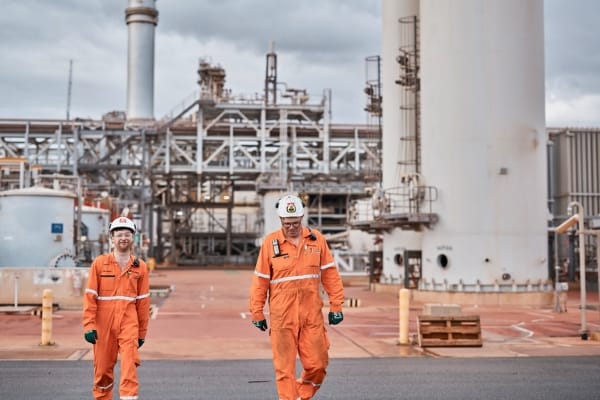
Woodside Energy has withdrawn its environmental approval application for the large-scale carbon capture and storage (CCS) project at the Browse natural gas field and plans to resubmit a revised proposal under Australia’s newly amended Environmental Protection and Biodiversity Conservation Act (EPBC Act). The move is intended to ensure full compliance with updated regulatory requirements while maintaining the project’s core objective of capturing up to 4 million tonnes of carbon dioxide annually to support Browse LNG production.
The revised EPBC Act strikes a balance between streamlining the approval process and strengthening ecological safeguards, offering developers greater flexibility to refine project designs in line with the new standards. Woodside has reaffirmed its commitment to advancing the CCS initiative through a transparent and rigorous environmental assessment process and intends to resubmit the application as soon as practicable. A company spokesperson stated: “Woodside remains committed to progressing the CCS project in a transparent and rigorous manner and plans to resubmit the application as soon as possible.”
Located in the waters off northwestern Australia, the Browse gas field is a strategic asset for Woodside, providing supplementary feedstock for the ageing North West Shelf LNG facility, which has now been granted a 40-year extension to operate until 2070. The field’s high carbon intensity — with CO₂ content reaching up to 12% — has become a focal point of regulatory scrutiny, significantly exceeding that of conventional gas developments. Woodside’s proposed CCS solution is expected to cut direct emissions by approximately 47%, positioning carbon capture as an integral design feature rather than a later add-on.
The adjustment underscores a broader shift in Australian energy regulation. The new framework mandates that high-emission gas projects incorporate stringent emission management measures from the outset. Other major players, including Japan’s INPEX, have similarly indicated plans to resubmit proposals under the updated rules, confirming that CCS is rapidly becoming a prerequisite for project approvals in this sector.
The Browse development is a joint venture involving an international consortium with partners BP, Mitsui & Co., Mitsubishi Corporation, and PetroChina’s international operations. Beyond technical feasibility, the carbon capture plan directly influences financing viability and reflects investors’ elevated expectations for environmental compliance. In the context of the global energy transition, Australia’s policy direction is compelling companies to reconcile continued natural gas supply growth with climate responsibilities. Woodside’s resubmission is expected to serve as a critical benchmark for the successful deployment of large-scale CCS technology under stringent regulatory conditions.