New Zealand Achieves Record-High Renewable Energy Share of 96.4% in Q4 2025 – Favourable Hydro Conditions and Rapid Solar Growth Significantly Reduce Gas Reliance and Drive Emissions to Lowest Level Since 1990
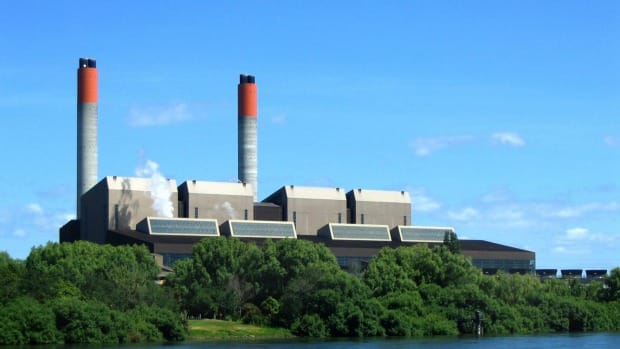
Tauranga,March 18 (Yaoxin)—According to the latest Quarterly Energy Report for December 2025 released by New Zealand’s Ministry of Business, Innovation and Employment (MBIE), the share of renewable energy in electricity generation reached a historic high of 96.4% during the period from October to December 2025. This unprecedented figure not only sets a new national record but also underscores New Zealand’s substantial progress in energy transition and reducing dependence on fossil fuels. Official statistics published by the New Zealand government on Thursday further confirm this outstanding performance.
Amapola Generosa, Sector Manager at MBIE, stated in her analysis of the report that favourable hydro conditions and the continued expansion of utility-scale solar were the primary drivers. These factors significantly reduced reliance on natural gas and brought electricity generation emissions to their lowest level on record. Ms Generosa emphasised: “Favourable hydro conditions and the ongoing growth of utility-scale solar were the key factors, substantially reducing dependence on natural gas and lowering generation emissions to historic lows.”
The report provides detailed insight into the profound changes in the generation mix. Hydro generation performed particularly strongly this quarter, increasing by 8% compared with the same period in 2024. Ms Generosa noted: “Hydro generation was robust, with hydro output up 8% compared to the same period in 2024.” This increase was directly attributable to favourable hydrological conditions during the quarter, providing a solid foundation for national electricity supply.
At the same time, solar generation experienced explosive growth. The commissioning of new grid-connected solar farms continued apace, resulting in solar output rising by more than 70% year-on-year. Ms Generosa highlighted: “We also saw continued growth in new grid-connected solar farms, leading to solar generation increasing by over 70% year-on-year.” The rapid deployment of utility-scale solar projects emerged as one of the critical engines behind the record renewable share this quarter.
While renewables surged, conventional natural gas generation saw a sharp decline. The report indicates that gas-fired generation fell to its lowest quarterly level since the March 1980 quarter, down 52% compared with the December 2024 quarter. Specific figures show gas generation at only 219 GWh this quarter, a reduction of 238 GWh from the previous quarter. Ms Generosa explained that the main reason for this drop was planned maintenance at natural gas power stations during the period.
As a direct consequence, emissions from electricity generation reached their lowest quarterly level since records began in March 1990. This achievement is strongly correlated with the elevated renewable share and demonstrates the effectiveness of New Zealand’s low-carbon electricity pathway.
On the demand side, electricity consumption showed healthy growth. National electricity use increased by 6.5% to 10,045 GWh. Ms Generosa observed: “Electricity demand grew across most sectors.” Agricultural electricity demand rose 14.2%, driven primarily by increased irrigation requirements, while industrial consumption grew 12.2%. Part of the industrial increase was due to relatively low usage in the December 2024 quarter. In addition, electricity demand at New Zealand’s aluminium smelter was comparatively low in the December 2024 quarter because its demand response agreement was activated during the 2024 winter.
Overall, the defining features of this quarter were the increase in hydro generation and the expansion of solar generation capacity, which together lifted the renewable share and substantially reduced emissions associated with electricity production. Ms Generosa summarised: “The key characteristics of this quarter are increased hydro generation and expanded solar capacity, which raised the renewable share and reduced emissions from electricity production.”
These figures reflect both the resilience and the accelerating green transition of New Zealand’s energy system, offering a compelling example for other countries pursuing large-scale renewable integration. Hydro power, a long-standing strength for New Zealand, delivered stable high output under favourable water conditions, while solar – as an emerging pillar – has rapidly filled seasonal gaps through sustained utility-scale development, becoming an essential component of the optimised energy structure. The steep reduction in gas generation has directly lowered the proportion of fossil fuels, preventing the accumulation of associated emissions.
From both economic and environmental perspectives, this record carries multiple positive implications. A renewable share of 96.4% means New Zealand’s electricity production has almost completely decoupled from long-term dependence on natural gas and other fossil fuels, with generation emissions at their lowest since 1990 – laying a strong foundation for meeting national climate targets. Meanwhile, the 6.5% rise in national electricity consumption did not trigger an emissions rebound; instead, cleaner supply was maintained amid expanding demand in agricultural irrigation and industrial activity. This demonstrates that renewables now possess the scale and reliability to support economic growth.
The MBIE quarterly report also conveys implicit optimism for future trends. With additional solar farms coming online and continued optimisation of hydro resources, New Zealand is well positioned to sustain a high renewable share in 2026 and beyond. The 14.2% increase in agricultural demand due to irrigation needs, together with flexible industrial usage enabled by demand response arrangements at the aluminium smelter, illustrates deep integration between the electricity market and the real economy. Such integration enhances energy efficiency and provides robust support for climate action.
It is worth noting that while planned maintenance at gas plants caused the 52% year-on-year drop in output, this represents a normal transitional phase in the structural adjustment of the energy mix. Once maintenance is complete, gas generation may recover some volume, but its overall share in the generation portfolio is expected to continue declining in support of further renewable expansion. Ms Generosa’s repeated emphasis on “favourable hydro conditions,” “continued solar growth,” and “historic low emissions” clearly signals strong policy backing for green energy at the ministerial level.
Compared with the same period in 2024, the contrasts are striking: hydro up 8%, solar up over 70%, and gas down 52%. These shifts vividly illustrate the structural breakthrough achieved in Q4 2025 – a rapid transition from significant gas reliance to near-total dependence on hydro and solar within a single quarter. Reaching 10,045 GWh of national consumption while achieving the lowest emissions since 1990 is a rare success story in global energy history.
The 14.2% rise in agricultural electricity use was mainly driven by the irrigation season, while the 12.2% industrial increase related to resumed production rhythms at the aluminium smelter. These details further enrich the report’s narrative, proving that renewables can not only meet baseline needs but also flexibly accommodate seasonal and sector-specific demand peaks.
In summary, the core message of New Zealand’s latest energy quarterly report is clear: through the combined strength of hydro and solar, the renewable share has surpassed 96.4%, natural gas dependence has been sharply reduced, and generation emissions have fallen to their lowest level since records began. This is not merely recognition of the past year’s efforts, but a firm declaration of commitment to the continued path of green energy. MBIE will maintain close monitoring and support for relevant projects to ensure this record becomes the norm rather than an exception in New Zealand’s energy transformation.