Dongfeng's Massive Truck Recall in Russia: Highlighting ESG Gaps in Chinese Auto Expansion
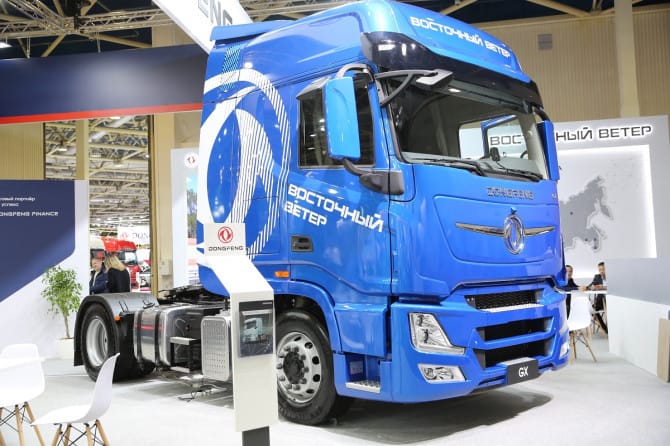
According to the ESG Dot report dated December 28, 2025, Dongfeng Motor Rus LLC, as the official representative of the Dongfeng brand in Russia, is currently implementing a large-scale recall action involving a total of 12,914 trucks. This recall notice has been officially published on the website of the Federal Agency on Technical Regulating and Metrology (Rosstandart) of Russia.
Prior to the initiation of the recall, Rosstandart conducted a non-routine on-site inspection, during which multiple non-compliance issues were identified, leading to the temporary suspension of the conformity assessment certificates issued for these trucks. The specific scope of this recall covers 9,308 Dongfeng DFH4180 (GX) model trucks that were delivered to customers from January 15, 2023, to July 11, 2025, as well as an additional 3,606 vehicles of the same model that have not yet entered the sales channel.
The primary cause of the recall is that the noise emissions of these vehicles under different driving modes exceed the allowable limits, thereby violating the relevant standards of UN Regulation No. 51-03. In addition, the recall addresses other specific defects, including the lack of necessary illumination for the control symbols of the heating system and/or air conditioning fan, and the failure of the windshield defroster/heating system indicator light to emit light properly or its emitted color not matching the specified requirements, which also fail to meet the strict requirements of UN Regulation No. 121-01.
For all affected vehicles, Dongfeng Motor Rus LLC will carry out a series of repair measures. Specifically, this includes adjusting the powertrain configuration parameters through software upgrades to optimize overall performance; simultaneously, conducting visual inspections of the mufflers and replacing them immediately if any potential issues are found. Furthermore, the entire instrument panel assembly will be fully replaced, which will cover the complete identification updates for manual control devices, various control signals, and indicators, thereby ensuring that the vehicles fully comply with safety and compliance standards.
ESG Dot Commentary — The recall incident of Dongfeng's DFH4180 (GX) trucks in Russia (involving approximately 12,900 trucks in December 2025 due to issues including excessive noise, lack of illumination for air conditioning control symbols, and non-compliant colors for windshield defroster indicator lights under UN standards; previously in October, approximately 12,400 trucks were recalled due to seat belt automatic adjustment failures) highlights systemic deficiencies in the ESG (Environmental, Social, Governance) construction of Chinese automotive enterprises overseas. Although companies like Dongfeng have promoted ESG reports domestically in recent years (such as the 2024 ESG report emphasizing sustainable development), the problems exposed in overseas practices reflect a tendency to prioritize rapid expansion over compliance management, leading to frequent shortcomings in quality and sustainability.
From the environmental dimension (E), Chinese automakers often overlook the adaptability to local environmental standards in overseas exports. The noise exceedance issue in this recall, although not a core emission problem, involves potential noise pollution, similar to the common issues of rusting and poor weather resistance faced by Chinese cars in the Russian market, as relevant reports show that Chinese cars are prone to rust in Russia, especially under severe cold climates. More broadly, companies like Dongfeng amplify risks in overseas markets (such as Russia's strengthened recycling fees and localization requirements). Overall, Chinese automakers face supply chain dependencies on rare earths and environmental tariff barriers in global expansion, but many companies, when investing in EV factories overseas (such as Dongfeng's plans to build factories abroad), still prioritize costs over full lifecycle environmental assessments, leading to frequent similar recall incidents.
In the social dimension (S), product quality directly affects consumer safety and satisfaction. This recall stems from violations discovered in Rosstandart inspections, reflecting an increase in reliability complaints about Chinese automakers in the Russian market, including safety issues and rapid depreciation. Russian consumers' complaints about Chinese cars are increasing, stemming from insufficient localization testing during exports (such as adaptation to severe cold climates). Although the overseas market share of Chinese automakers is growing (such as EV investments overseas exceeding domestic ones), the social responsibility sections in ESG reports often remain superficial, ignoring labor and community impacts, leading to chain reactions like Russian import bans (targeting safety violations of brands like Dongfeng).
The deficiency in the governance dimension (G) is particularly prominent. When Chinese automakers go overseas, they often face regulatory shocks due to immature governance frameworks. This recall is a direct result of Russia's tightening policies (such as increasing tariffs and localization requirements), leading to a 58% plunge in Chinese automobile exports to Russia, forcing companies like Dongfeng to shift to Central Asian markets. Although Dongfeng's ESG reports cover governance, the actual overseas risk assessments are weak (such as failing to foresee non-compliance with UN standards), which is consistent with the overall challenges for Chinese automakers: rapid globalization ignoring compliance, leading to sales declines and reputational damage. Fitch's rating adjustments also reflect pressures on capital expenditures and financial governance.
Overall, these incidents indicate that although Chinese automotive enterprises show progress in ESG reports (such as Dongfeng's 2024 report), overseas ESG construction lags behind domestic efforts, with roots in low governance priorities and opaque supply chains. Strengthening international standard docking, risk warnings, and localization investments can turn challenges into opportunities, avoiding similar recalls that damage global competitiveness.