AI tool predicts wildfire danger faster than current systems
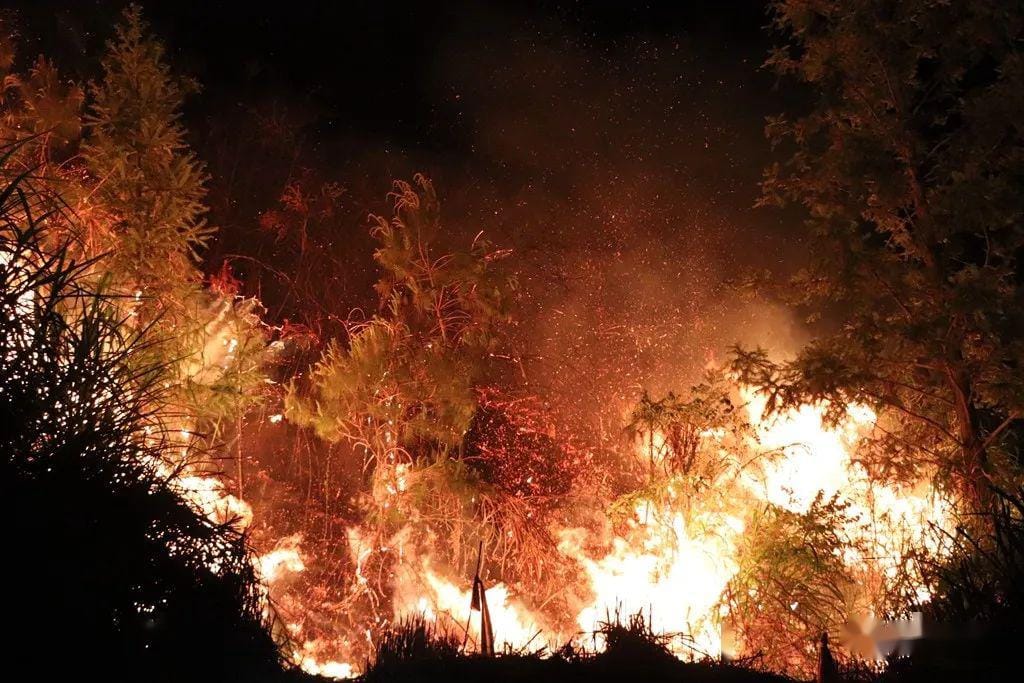
Tauranga,March 26 (Yaoxin)—esearchers at the University of Canterbury (UC) in New Zealand have achieved a major breakthrough in disaster prevention technology, developing an artificial intelligence tool that predicts wildfire risk up to 30 times faster than many current systems.
This study, recently published in the International Journal of Wildland Fire, marks a significant shift in wildfire warnings from "daily updates" to "real-time monitoring." Unlike most official systems that refresh only once every 24 hours, this new AI-driven framework updates every 30 minutes. By utilizing machine learning algorithms to scan weather station data, the system precisely detects complex patterns that typically emerge before a fire ignites. This high-frequency dynamic monitoring provides fire agencies with near real-time insights that are crucial for seizing the early windows necessary for fire suppression.
Lead researcher Alberto Ardid, a lecturer in civil and environmental engineering at UC, noted that the project has moved well beyond its initial "proof of concept" in a single region. In recent stress tests across multiple regions, the system demonstrated remarkable adaptability, providing stable predictions across diverse geographical environments and volatile weather conditions. By analyzing over 60 years of historical weather and fire data, the AI model has improved forecasting performance by 10% to 30%.
Beyond its technical leap, the system offers substantial economic value. Economic modeling suggests that by effectively identifying potential fires while significantly reducing unnecessary false alarms, the tool could double the economic savings compared to existing forecasting tools. As climate change intensifies wildfire risks globally, this data-driven, rapid-response prediction framework is becoming a vital asset for governments and fire agencies seeking to optimize resource allocation and enhance disaster prevention efficiency under extreme weather conditions.